
Brain Exercises for Stroke Recovery: Gentle Steps Toward Reconnection
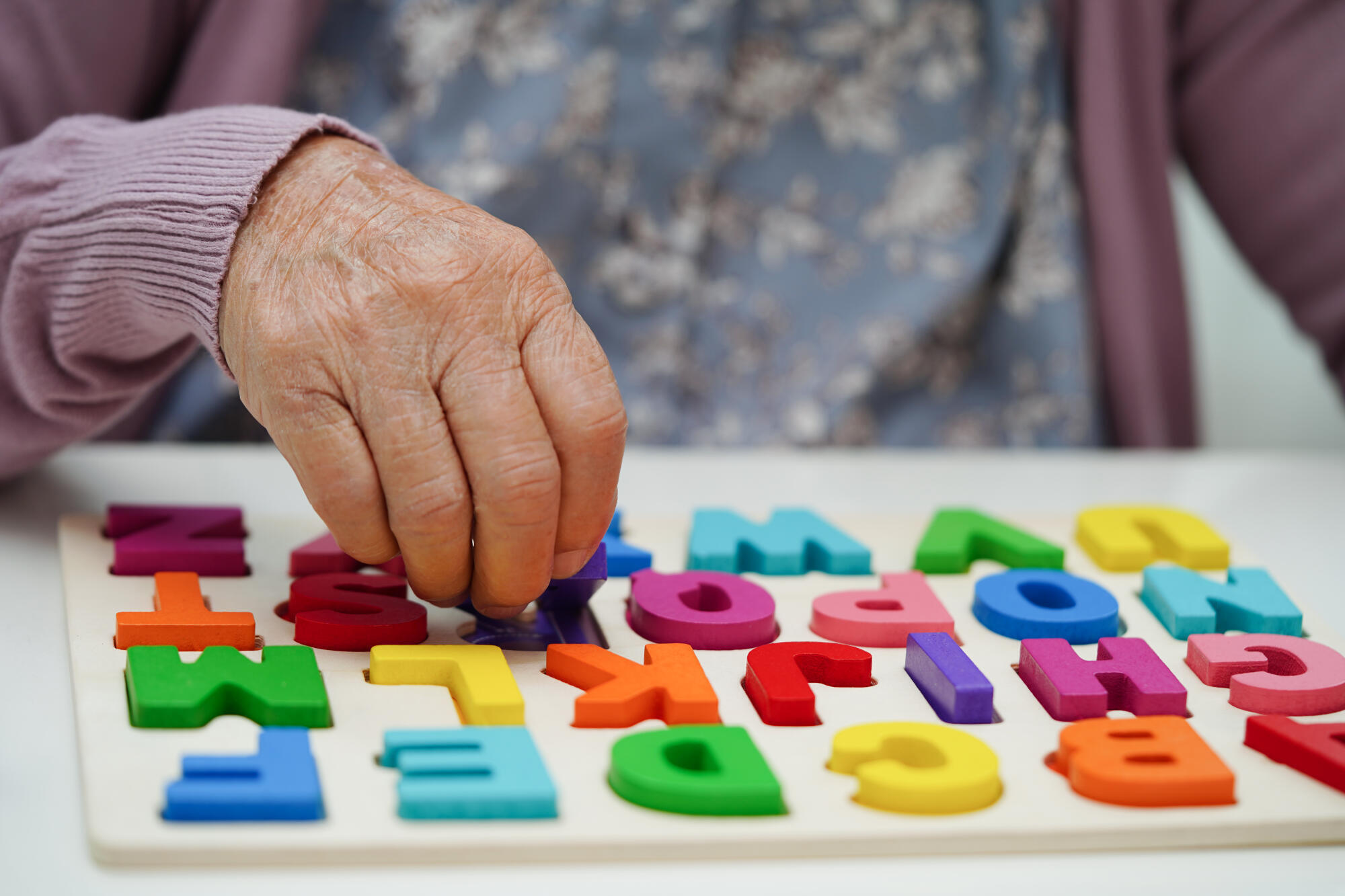
Brain exercises, such as word games and sorting objects, can support stroke recovery by helping the brain rebuild pathways and strengthen remaining skills through steady yet gentle practice. Recovery often improves when everyday mental activity encourages reconnection alongside patience and confidence.
A stroke can fundamentally change how the brain communicates with the body, emotions, and more. Progress rarely follows a straight line, yet modest, consistent efforts often add up.
Brain exercises for stroke recovery offer a way to work with the brain rather than against it. Each step forward supports long-term independence and hope during healing in Greer, SC.
What Are Brain Exercises After a Stroke, and Why Do They Matter?
Brain exercises after a stroke focus on reactivating thinking, attention, and memory through simple tasks. Activities like these matter because the brain can adapt and form new connections, even later in life. Neuroplasticity in seniors shows that repeated mental practice can strengthen communication between brain cells.
Exercises may include word games, puzzles, music-based activities, or guided conversation. The following can also count as meaningful practice:
- Reading aloud
- Sorting objects
- Following simple instructions
Each activity challenges the brain in a safe and manageable way.
Consistency has a vital part to play. Short sessions repeated daily often work better than long, tiring efforts.
Realistic progress supports aging and recovery by reducing frustration and mental fatigue. Family encouragement and calm guidance help reinforce learning without pressure.
Many people benefit from combining mental exercises with rest. A balanced approach allows the brain time to absorb new patterns. Over time, familiar tasks may feel easier, which builds motivation to keep going.
Which Gentle Brain Activities Help With Memory and Focus?
Memory and focus often feel shaky after a stroke, yet targeted activities can help rebuild confidence. Simple recall games, whether you're naming objects in a room or recalling a short story, support memory rehab without strain. Matching games and basic number activities help improve attention.
Music offers another helpful tool. Singing familiar songs or keeping rhythm engages multiple parts of the brain at once.
Art activities, such as coloring or drawing, hone focus while offering emotional expression. Calm breathing exercises paired with counting can also strengthen attention.
Healing brain activities work best when tied to personal interests. A love of cooking can inspire recipe recall or ingredient sorting.
Enjoyment increases participation, which supports progress. Breaks remain important, since mental fatigue can slow improvement.
Help from others matters as well. Shared activities create connection and encouragement, which reduces isolation during recovery.
Many families explore structured post-stroke support options through a trusted community that understands senior needs. TerraBella Thornblade focuses on supportive environments that encourage daily engagement and steady mental activity without overwhelming pressure.
Being Mindful of the Emotional Side of Brain Healing
Emotional changes often appear alongside cognitive challenges after a stroke. The following can help rebuild confidence:
- Gentle reassurance
- Familiar routines
- Positive feedback
Feeling supported reduces anxiety. It allows the brain to focus on learning and reconnection rather than stress or fear.
How Often Should Brain Exercises Be Done During Recovery?
Frequency matters more than intensity during stroke recovery. Daily practice for short periods often leads to better results than occasional long sessions. Around 20 minutes at a time allows focus without exhaustion.
Listening to the body and mind helps guide progress. Signs of frustration or confusion suggest a need for rest.
Calm repetition encourages learning and builds confidence. Progress may appear slow at first, yet steady routines often show results over weeks and months.
Variety also supports learning. Rotating activities keeps the brain engaged and prevents boredom.
Simple adjustments, like slightly increasing the difficulty, can help maintain challenge without stress. Patience remains essential, especially during the early stages of recovery.
Frequently Asked Questions
How Long Does Brain Recovery Take After a Stroke?
Recovery time varies for each person and depends on stroke severity, general health, and consistency of practice. Improvements can continue for months or even years with regular mental activity.
Can Older Adults Still Improve Brain Function After a Stroke?
Age doesn't prevent progress. Studies on aging and recovery show that older adults can strengthen thinking skills through repeated practice and supportive routines.
Are Brain Games Enough for Stroke Recovery?
Brain games help thinking skills. Still, they work best alongside the following:
- Physical movement
- Emotional support
- Professional guidance
A balanced approach leads to holistic healing.
What Are Simple Brain Exercises That Can Be Done at Home?
Reading aloud, naming objects, matching cards, listening to music, and doing basic puzzles work well at home. Activities should feel manageable and enjoyable.
How Does Routine Support Mental Healing After a Stroke?
Routine reduces stress and builds familiarity. Predictable schedules help the brain focus energy on learning rather than adjustment.
Can Family Members Help With Brain Exercises?
Family involvement offers encouragement and accountability. Shared activities strengthen emotional bonds while upholding recovery goals.
When Should Brain Exercises Be Increased in Difficulty?
Difficulty can increase once tasks feel comfortable and frustration stays low. Small changes help maintain progress without overwhelming the brain.
Do Mental Exercises Help With Emotional Changes After a Stroke?
Mental activity can improve mood by building confidence and structure. Emotional healing often improves as thinking skills strengthen.
Is Rest Important During Brain Recovery?
Rest allows the brain to process new information. Breaks prevent burnout and can lead to long-term progress.
What Role Does Environment Play in Stroke Recovery?
A calm, supportive community encourages focus and participation. Positive surroundings help individuals feel safe while practicing new skills.
It's Time to Try the Best Brain Exercises for Stroke Recovery
Brain Exercises for stroke recovery work toward refreshed reconnection by supporting thinking and memory. Consistent practice and patience can help the brain adapt through post-stroke support when coupled with understanding and care.
TerraBella Thornblade is where seniors can thrive in safety and comfort. Our resort-style amenities make it easier than ever to enjoy life to the fullest. Examples include everything from chef-prepared dining to an on-site beauty salon.
Are you ready to savor chef-prepared food and regular social events? Don't wait to schedule a fantastic tour of TerraBella Thornblade at your earliest convenience.